Four papers that show complementary parts of the lab’s research: mean-flow-based linear analysis, wall turbulence, jet aeroacoustics and data-driven analysis of experimental flow data.
Ambiguity in mean-flow-based linear analysis
Journal of Fluid Mechanics 900, R5 (2020)
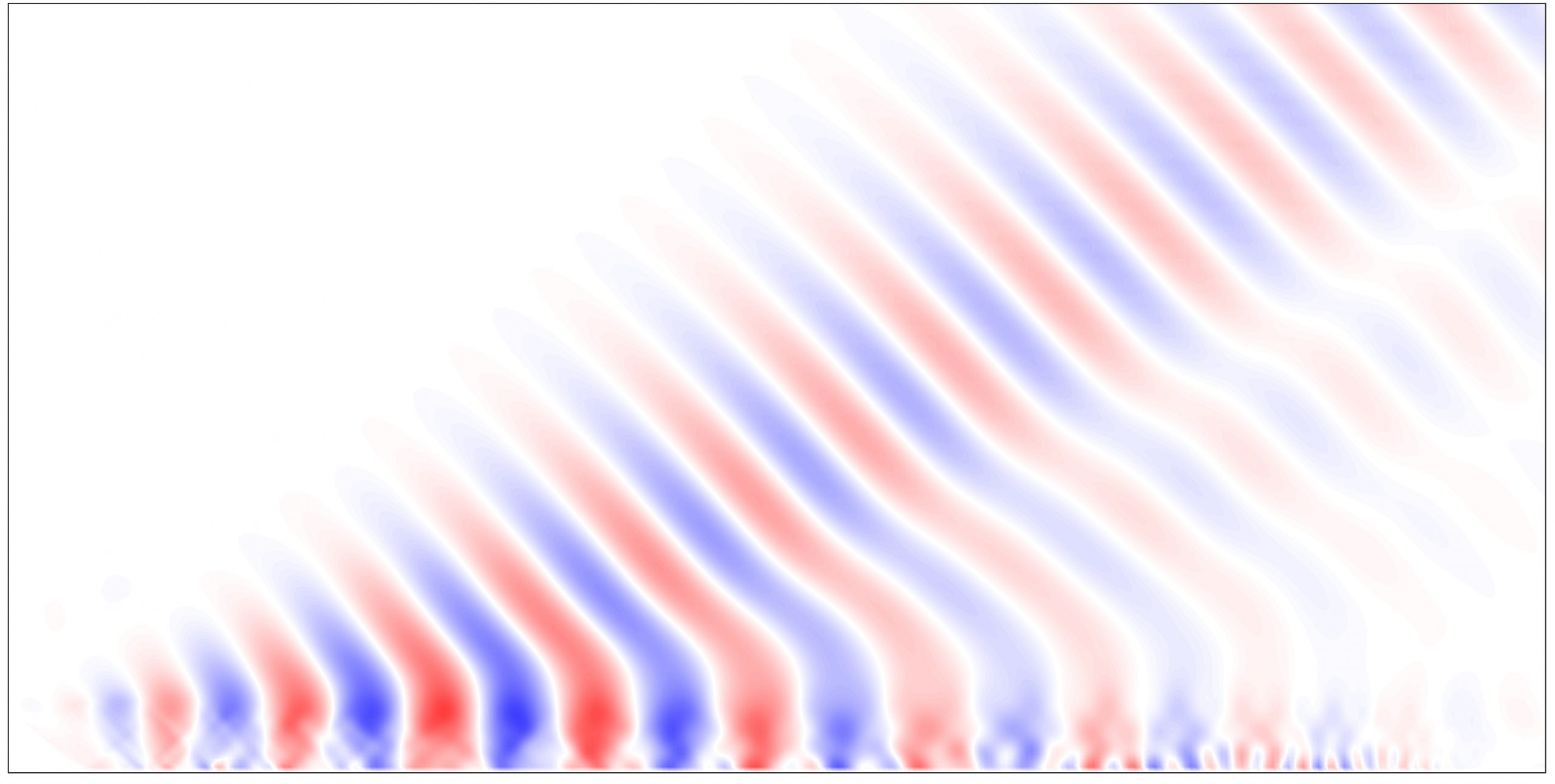
This paper shows that linearising equivalent forms of the Navier–Stokes equations can produce different mean-flow-based linear operators. In turbulent jets, primitive- and conservative-variable formulations yield different resolvent gains and modes, with the differences increasing as variable-density effects become stronger.
Self-similar mechanisms in wall turbulence studied using resolvent analysis
Journal of Fluid Mechanics 939, A36 (2022)
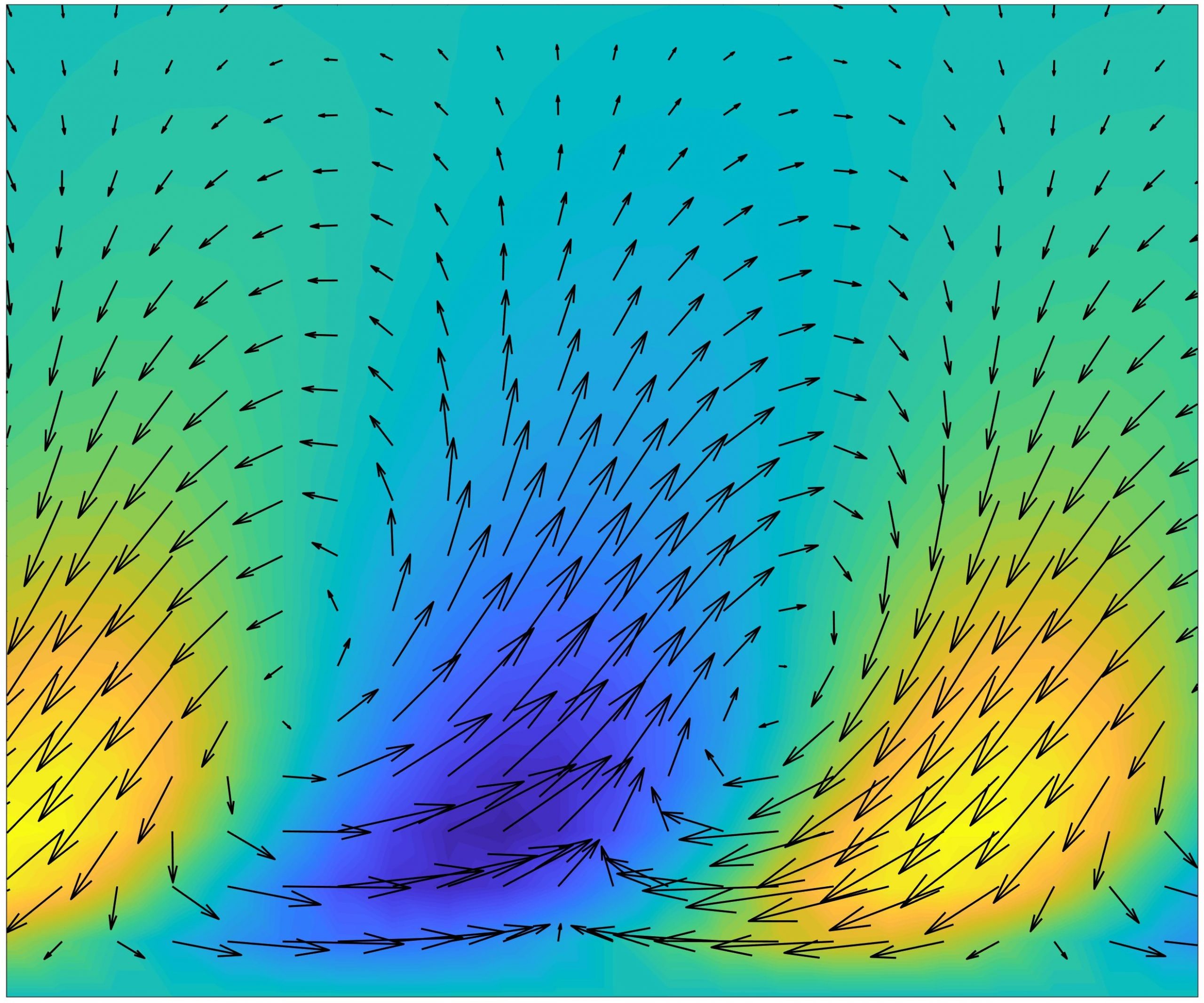
Using direct numerical simulation and resolvent-based analysis, this study examines wall-attached coherent structures and their associated forcing in turbulent channel flow. It finds self-similarity in both the structures and selected components of the forcing, in line with the attached-eddy picture.
An empirical model of noise sources in subsonic jets
Journal of Fluid Mechanics 965, A18 (2023)
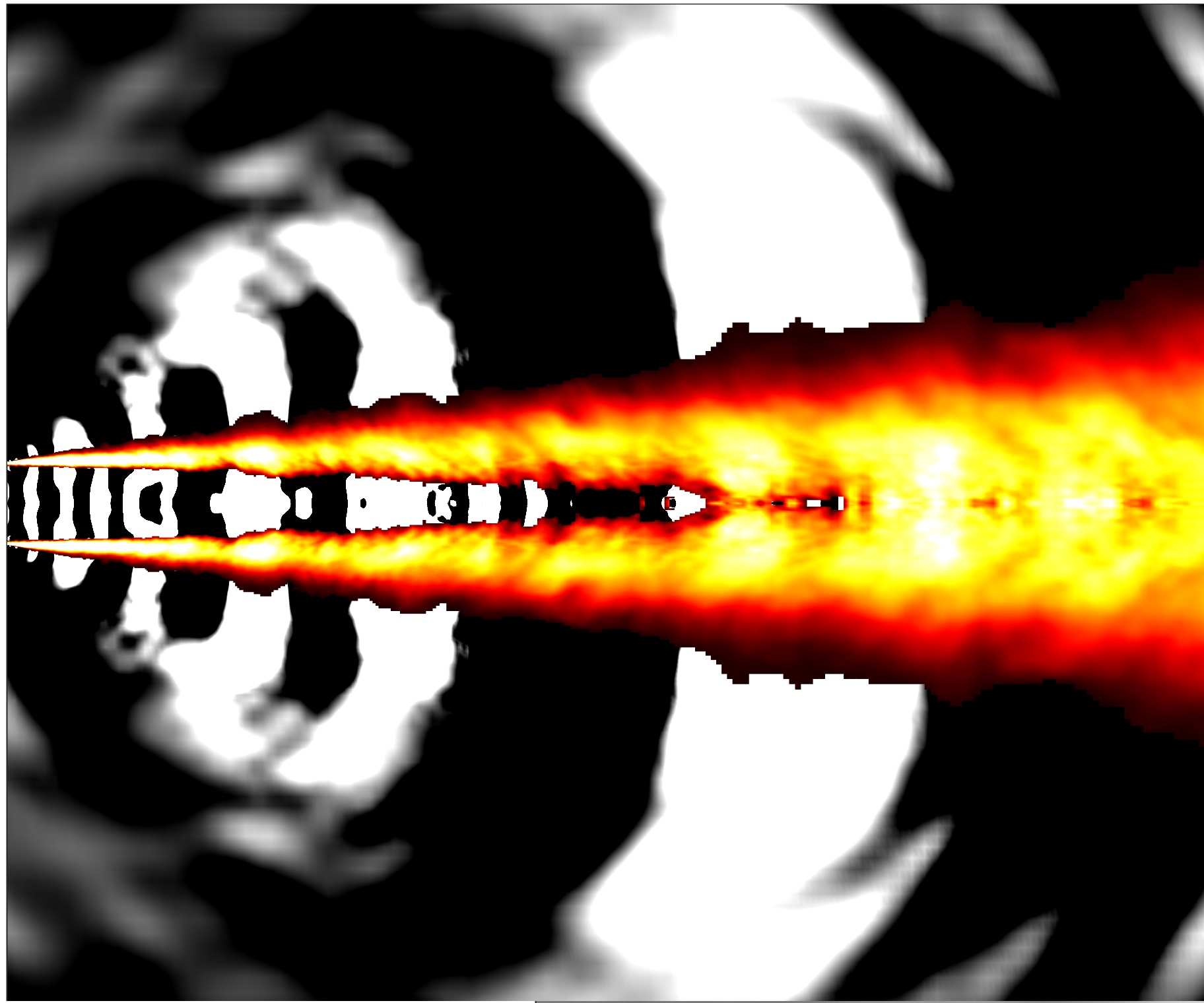
This work identifies acoustically efficient forcing in a subsonic jet from large-eddy simulation data and uses it to inform a predictive model. The radiating component contains less than 0.05% of the total forcing energy yet generates most of the acoustic response; the model predicts noise within 2 dB over a range of frequencies, downstream angles and flight conditions.
Dynamic mode decomposition using standard particle image velocimetry data
Physical Review Fluids (accepted September 2026)
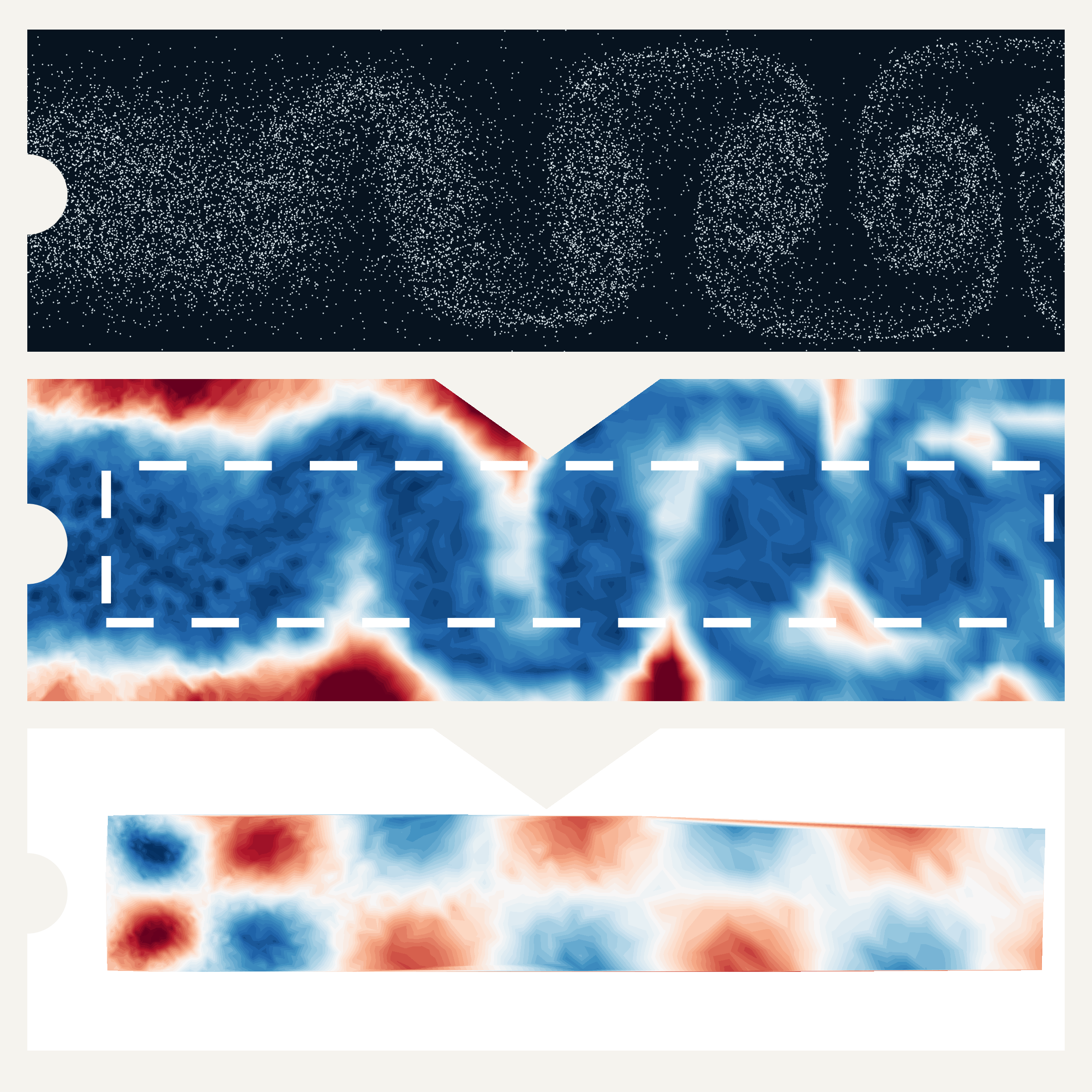
This paper introduces gap-based dynamic mode decomposition (gDMD) to extract flow dynamics from standard, non-time-resolved PIV data, where the time between successive image pairs is too large for conventional DMD.