
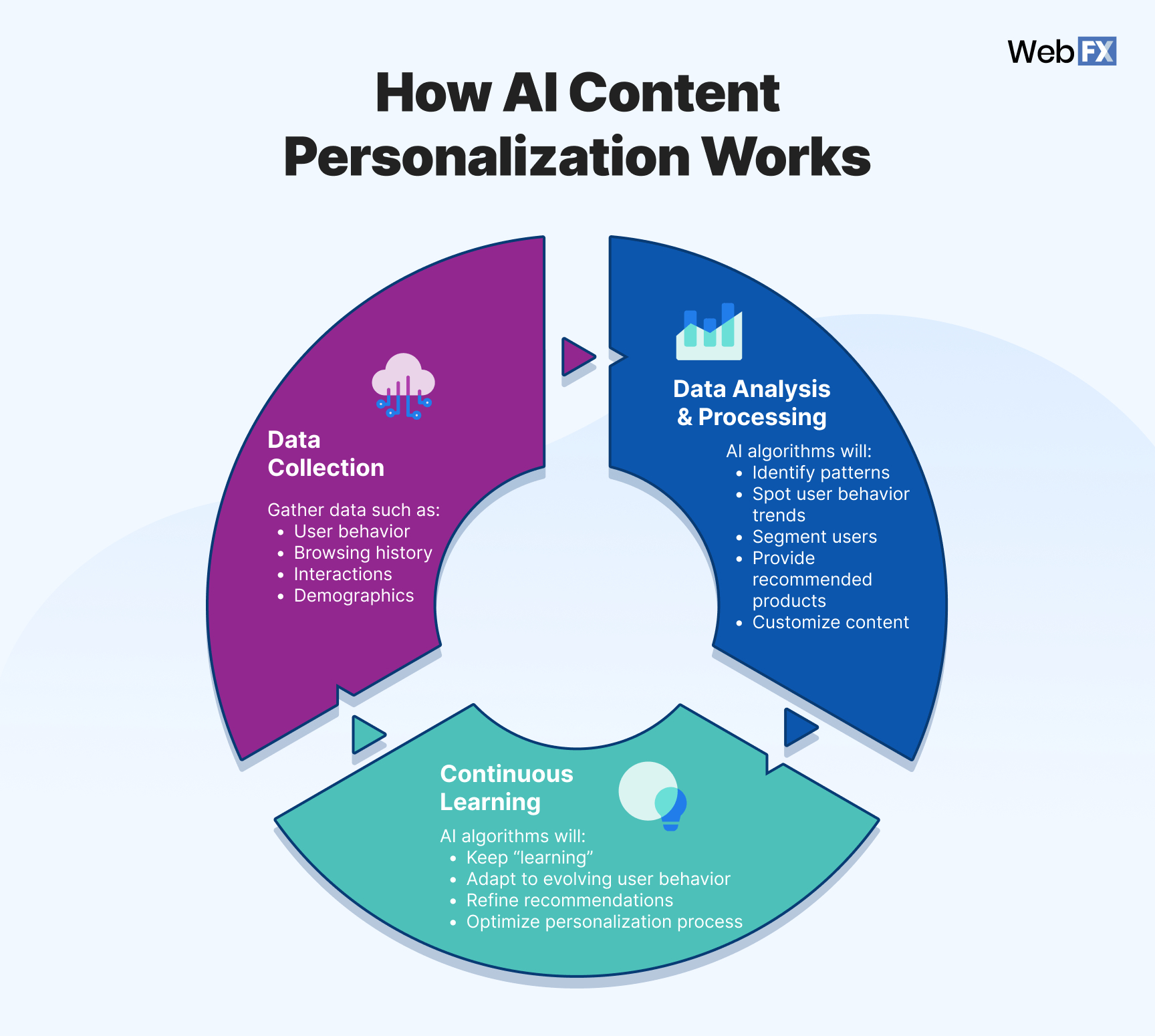
1. Enhanced Personalization and Adaptive Learning
AI systems analyze student data in real-time to create dynamic learning paths. This includes:
- Adaptive Content: AI adjusts the difficulty and nature of instructional materials based on a student’s performance, ensuring they receive extra help where needed or advance quickly in areas they grasp.
- Personalized Feedback: AI provides immediate, customized feedback on complex assignments, such as essays and code, helping students correct misconceptions without delay.
- Intelligent Content Curation: AI algorithms recommend specific supplementary resources (videos, articles, simulations) tailored to an individual student’s learning style and knowledge gaps.
2. 24/7 Support and Tutoring
AI ensures students have access to help around the clock, overcoming geographical and time-zone limitations:
- Intelligent Tutoring Systems (ITS): These sophisticated systems simulate one-on-one human tutoring, engaging in conversational support and providing step-by-step guidance.
- AI Chatbots: They handle frequently asked questions and administrative queries, offering instant relief and freeing up instructor time.
3. Operational Efficiency and Automation
AI automates routine tasks for educators and administrators, enabling them to focus on high-value interactions:
- Automated Assessment: AI quickly and consistently grades a wide range of assignments, from multiple-choice tests to complex written submissions.
- Predictive Analytics: AI analyzes engagement and performance data to identify students at risk of falling behind or dropping out, allowing institutions to intervene with targeted support early on.
4. Accessibility and Immersive Experience
AI breaks down barriers and creates more engaging learning environments:
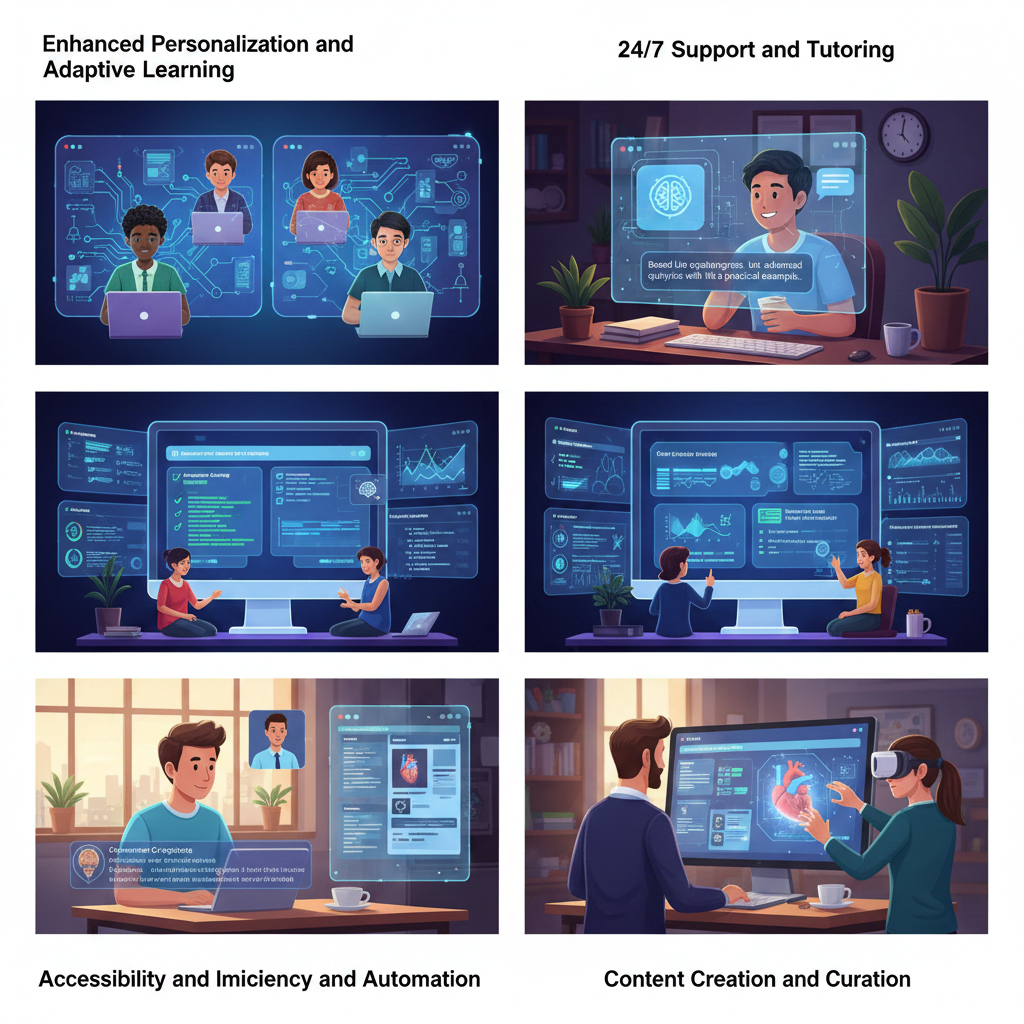
- Universal Accessibility: AI tools offer real-time transcription, translation, and text-to-speech features, making content inclusive for students with disabilities or those who speak different languages.
- Virtual Learning Environments: AI drives immersive technologies like Virtual and Augmented Reality (VR/AR) to create virtual labs and simulations, enabling remote students to gain practical, hands-on experience.