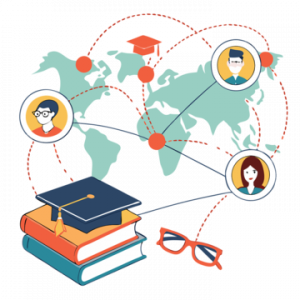
Distance education is a very popular method of learning today. In this system, teachers and students do not have to be in the same physical classroom. Instead, they are in different places, but they use technology to connect with each other. This method changes the traditional school experience and moves it to a digital environment.
How Does Technology Help?
To make distance education successful, we use various digital tools. Today, online classes are possible thanks to high-speed internet and modern software. One of the most important technologies is video conferencing. Applications like Zoom, Microsoft Teams, or Google Meet allow students to see and talk to their teachers in real-time. This technology creates a virtual classroom where you can ask questions and discuss topics, just like in a real school.
Generally, there are two main types of distance education:
-
Synchronous Learning: This is very similar to traditional school. It happens live. All students and the teacher log in at the same time. You attend the lesson, listen to the teacher, and interact with your classmates through video calls.
-
Asynchronous Learning: This type offers more flexibility. You don’t have to be online at a specific hour. You can watch pre-recorded videos, read materials, and complete your assignments whenever you are available. This is great for people who have other responsibilities.
In conclusion, distance education removes physical borders. It gives everyone a great opportunity to access knowledge from anywhere in the world.